Between Rand Water’s infrastructure failures, the January 2026 pipe burst and planned outages running 54 hours at a stretch, Gauteng households have learned that a backup tank is no longer a nice-to-have. But the tank is the easy decision. How you connect it to your house — gravity, pump, or both — is what decides whether the next outage is a non-event or days of bucket duty.
What are the three ways to connect a backup tank?
Every household backup install in South Africa is a variation on one of three setups:
- Gravity-only tap point. A tap plumbed straight off the tank outlet, usually in 25mm pipe. No pump, no electrician, no electricity bill. Water flows because the tank is higher than the tap — and that’s the whole system.
- Whole-house with a booster pump. The tank feeds a pressure pump (typically 0.37–0.75kW for a home) which is tied into your house plumbing. When the municipal supply dies, the pump delivers tank water to every tap, toilet, shower and the geyser at something close to normal pressure.
- Hybrid. A pumped whole-house connection plus a plain gravity tap on the same tank. The pump handles daily life; the gravity tap still works when the power is off. In a country where water outages and load-shedding like to arrive together, this is the setup that never leaves you completely dry.
How much pressure does a gravity-fed tank really give?
Here’s the physics in one line: the only pressure a gravity system has comes from the height of the water level above the tap — and each metre of height adds surprisingly little. That’s it. That’s the whole equation.
So a tank standing on the ground, feeding a tap at knee height, is working with a small fraction of the pressure your municipal mains deliver — and even that fades as the tank empties and the water level falls. It’s why a gravity tap fills a bucket, a kettle or a pot at a steady, usable rate, but will never run a shower you’d want to stand under, and won’t satisfy most geysers or washing machines at all.
Gravity still earns its place. For drinking, cooking, washing dishes and flushing the odd toilet with a bucket, a gravity tap costs a few hundred rand in parts, takes an afternoon, and can never break down. Keep the pipe run short, use 25mm rather than 20mm so the low pressure isn’t strangled further, and put the tap as low as practical.
Gravity feed, sorted in one box
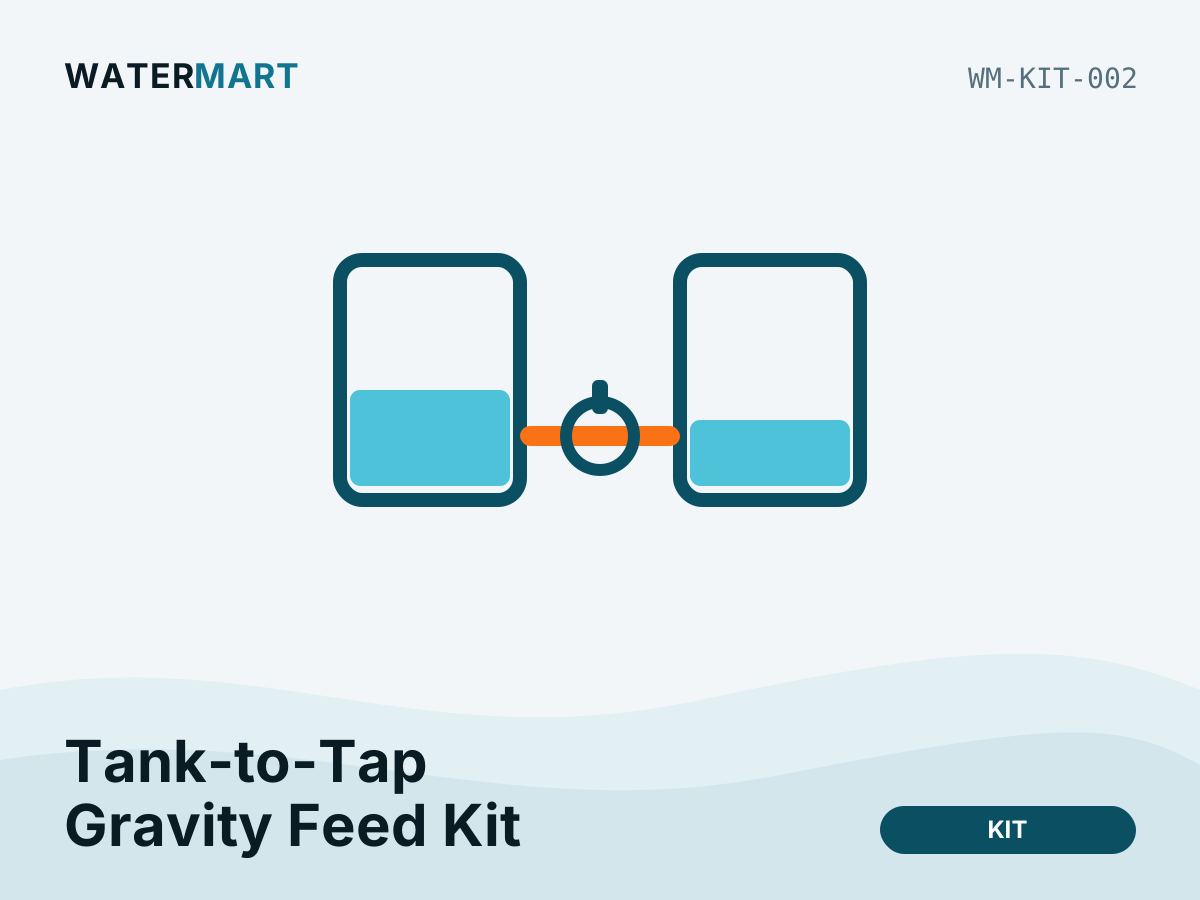
Honest note: a gravity tap feels like a slow campsite tap, not your kitchen mixer. If anyone promises you whole-house water from an unraised tank with no pump, they’re selling you frustration. Raising the tank helps, but even a sturdy 2m stand adds only a modest bump — nowhere near shower pressure.
What does a pump setup actually need?
A booster pump restores real pressure, but it’s the supporting cast that makes the system safe and durable. A proper pumped install needs five things:
- The pump itself. 0.37–0.75kW covers most homes. Sizing and wiring are their own topic — our pressure pump connection guide walks through it.
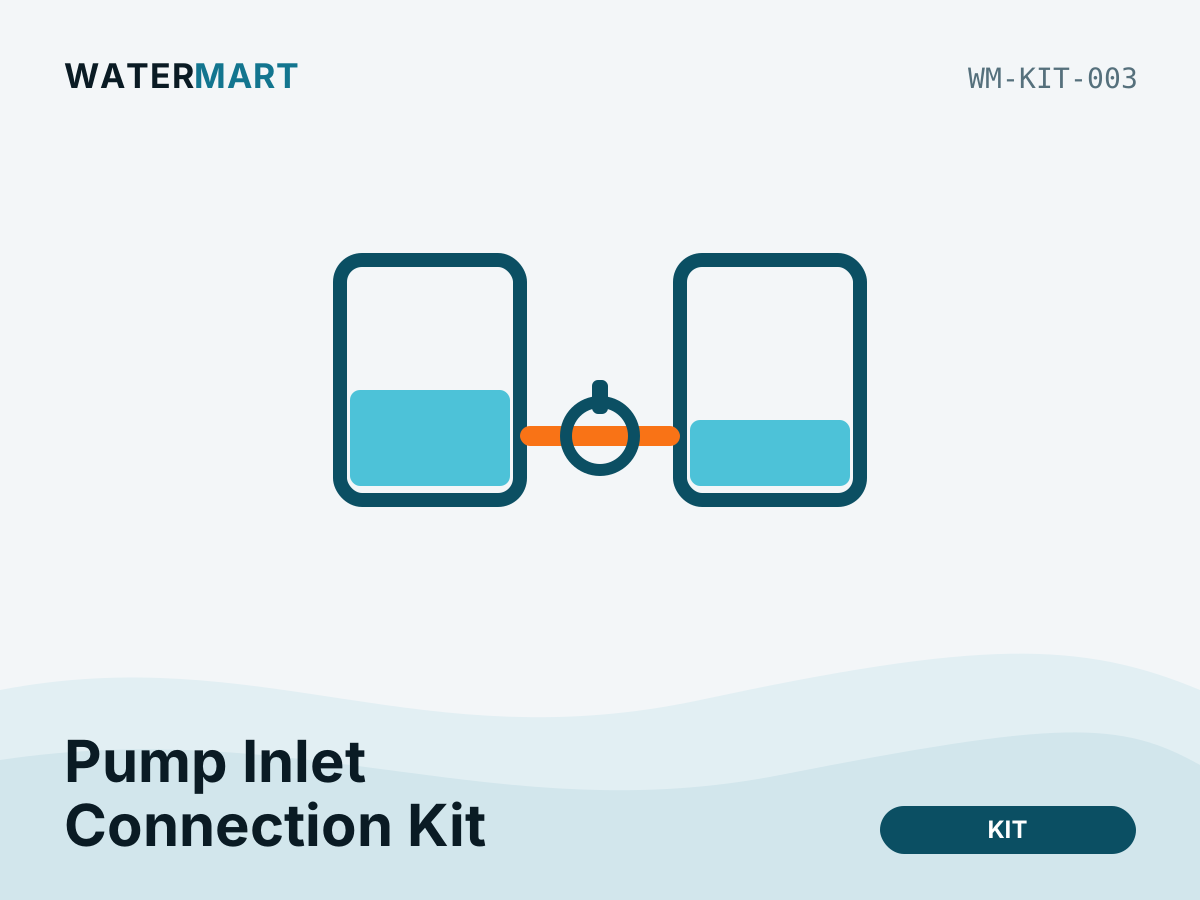
- A correct inlet connection. The standard JoJo bottom outlet is 40mm BSP; most household pumps want a smaller inlet, so you’ll reduce down — typically 40mm to 25mm. Get this joint wrong and it becomes the leak you chase for months.
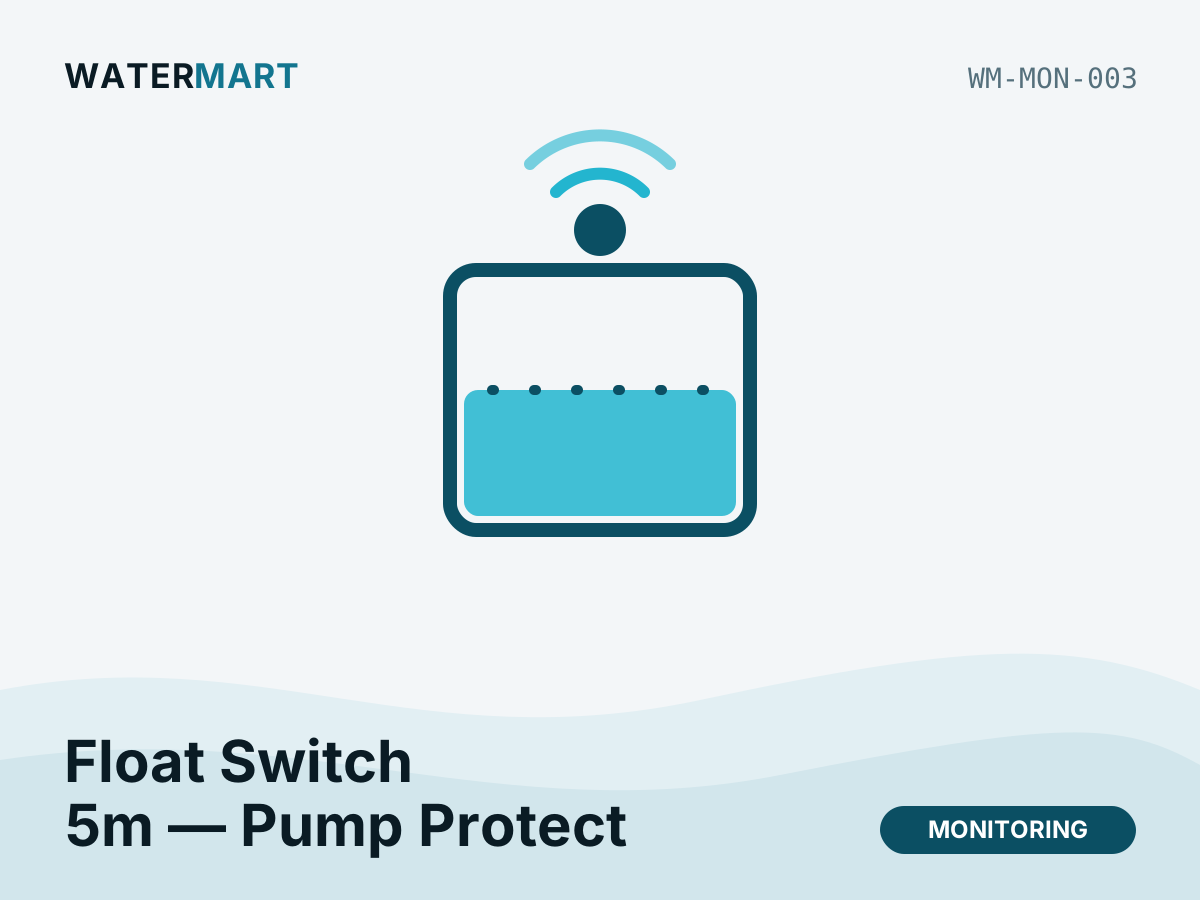
- A float switch. Pumps die fast when they run dry. A float switch in the tank cuts the pump before the water runs out — R249 of insurance on a multi-thousand-rand pump.
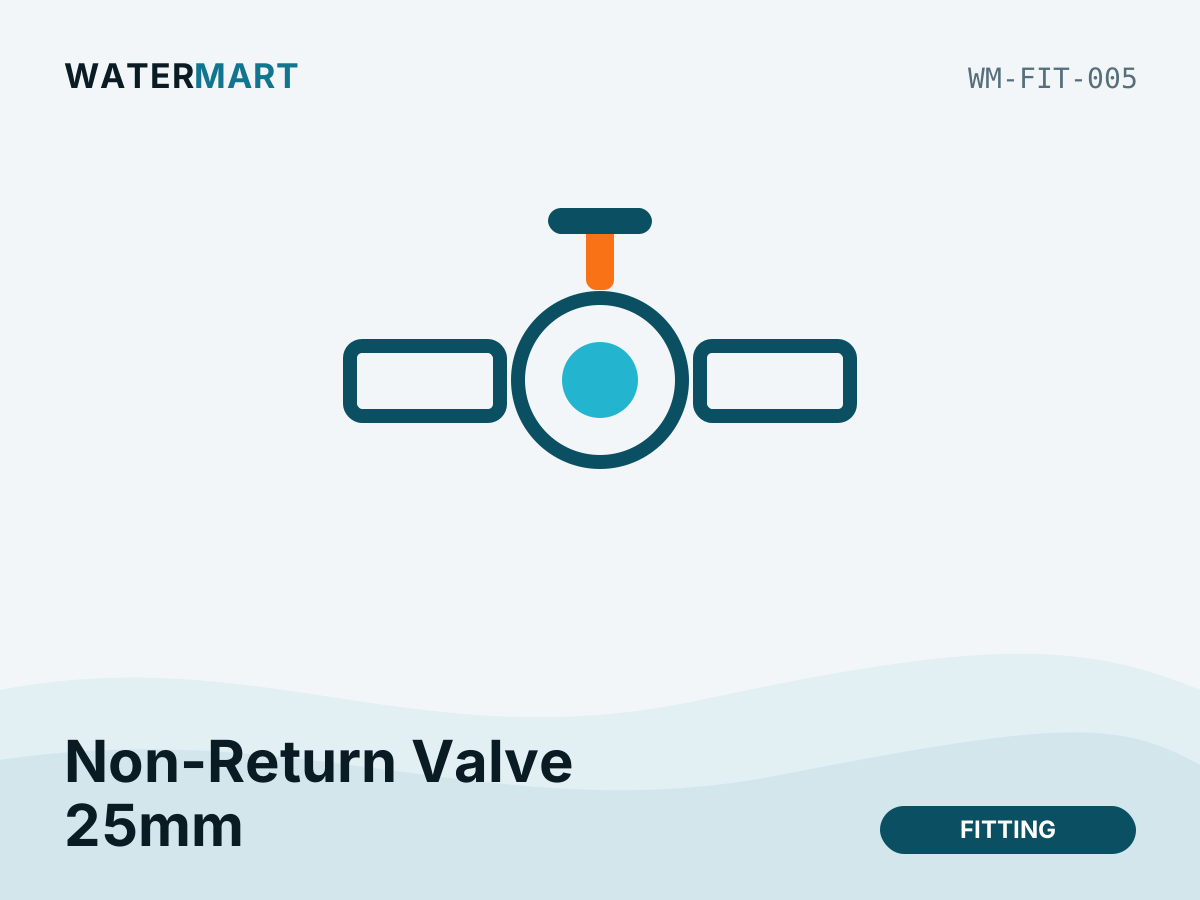
- A non-return valve. This one-way valve keeps tank water out of the municipal line. Without it, your pump can push water backwards into the street supply, and when the mains come back, municipal pressure fights your pump. It’s a small brass fitting doing a very big job.
- Isolation. A ball valve at the tank outlet and a union at the pump, so you can service or swap the pump without draining the whole tank onto your lawn.
The pump-side essentials
Which setup does your household actually need?
Match the setup to how you actually live, not to the biggest system you can afford:
| Your situation | Best fit | Why |
|---|---|---|
| You mainly need drinking and cooking water during outages | Gravity-only tap point | Cheapest, no power needed, one-afternoon DIY job |
| Family home that must run normally — showers, toilets, geyser, washing machine | Whole-house with booster pump | Only a pump restores mains-like pressure through a 54-hour outage |
| Water outages and power cuts both a regular reality | Hybrid | Pump does the daily work; the gravity tap still flows when the power is off |
| Renting, or on a tight budget, planning to upgrade later | Gravity now, pump-ready fittings | Install the 40mm outlet, ball valve and non-return valve now; add the pump when you can |
Which parts do most installs forget?
Two fittings get left out of quotes constantly, and both cause expensive regret:
- The non-return valve. The most skipped part in backyard installs. It’s what keeps tank water strictly out of the municipal line and stops returning mains pressure from working against your system. If your installer’s parts list doesn’t include one, ask why.
- The isolation union. Without a union and ball valve on either side of the pump, the first service call means draining the tank. With them, swapping a pump is a ten-minute job with a spanner.
While you’re buying fittings, remember everything here is BSP thread — the SA standard — in 20/25/32/40/50mm sizes. Mixing sizes without the right reducers is the other classic install headache.
FAQ
Can I run my whole house off a tank without a pump?
Realistically, no. Unless your tank sits on a tower well above your roofline, gravity can’t produce the pressure a shower or geyser needs. Ground-level tanks feed taps and buckets; pumps feed houses.
What size pump do I need?
Typical household booster pumps run 0.37–0.75kW. Smaller homes with one bathroom sit at the bottom of that range; bigger homes with multiple bathrooms at the top. Sizing, non-return placement and wiring are covered step by step in the pressure pump connection guide.
Do I really need a non-return valve?
Yes. It keeps your tank water out of the municipal supply and protects your pump when mains pressure returns. At R139 it’s the cheapest component in the system and the worst one to skip.
Will my backup water still work during load-shedding?
A gravity tap will; a pump won’t, unless it’s on an inverter. That’s the argument for the hybrid setup — and for working through a proper water-shedding prep checklist before the next outage is announced.
WaterMart launches in August 2026 with every kit and fitting in this guide — couriered nationwide at R85 flat, free over R950, prices including VAT. Join the waitlist on any product page and be ready before the next outage notice lands.